Hormones
High SHBG in Women: What It Means for Your Hormones

Hormones

Sex hormone-binding globulin (SHBG) is a protein that carries testosterone and estrogen through your blood. When your sex hormone-binding globulin is high, more of those hormones are held in reserve and less is free for your body to use right away. On its own, a high result does not diagnose anything. It makes the most sense when read alongside your symptoms, history, and other hormone labs.
At Health For Life Naturopathic Medicine in Phoenix, AZ, our collaborative medical team looks at high sex hormone-binding globules alongside your symptoms, cycle history, other hormones, medications, metabolic health, and life stage. Our goal is to understand what caused the change so we can create a treatment plan that addresses your health concerns while taking into account factors such as high SHBG.
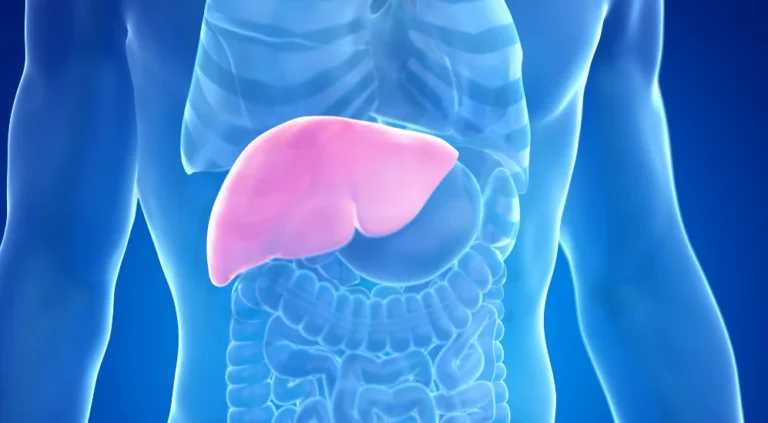
Sex hormone-binding globulin, or SHBG, is a protein made mostly by your liver that latches onto certain sex hormones and carries them through your bloodstream. Sex hormones are the chemical messengers, like testosterone and estrogen, that help regulate your cycle, mood, energy, libido, and more.
Think of SHBG as a fleet of delivery trucks. While a hormone is riding in the truck, it is protected and stored, but it cannot get out and do its job in your tissues. Only the hormone that is unbound, or “free,” can be used right away. SHBG holds onto testosterone especially tightly and holds onto estrogen a bit more loosely.
Clinicians measure SHBG because a total hormone number alone can be misleading. Two women can have the same total testosterone, yet very different amounts available to their bodies, depending on how much SHBG they have.
High SHBG means more of your testosterone, and to a lesser degree your estrogen, is bound up and less is free for your cells to use. Your body may be producing a normal amount of these hormones while having less available at any given moment.
SHBG can shift with age, pregnancy, life stage, and medications.
Additionally, reference ranges vary from lab to lab. A result just above a lab’s cutoff likely means something different than a result that lands far above it, especially when your other markers and symptoms are considered.
A single high marker on its own does not tell anyone whether something is wrong, what caused it, or whether anything needs to change.
There is no single, reliable list of high SHBG symptoms. When women search for symptoms of high SHBG in females, they usually find symptoms linked to having less available testosterone or estrogen, since that is what elevated SHBG can lead to.
Depending on the person, those may include:
Every one of these has many possible explanations. Thyroid issues, stress, sleep, iron levels, life stage, and dozens of other factors can produce the same experience.
Because the symptoms of high SHBG overlap with countless other health concerns, a lab value and a symptom list should never be matched up on their own. If you are living with any of these, they are worth a conversation with your healthcare provider, no matter what your SHBG number says.
Several factors can raise SHBG. When clinicians look for causes of high SHBG, they may consider hormonal medications, such as oral birth control or oral estrogen. They look into your thyroid function, since an overactive thyroid can raise SHBG. Because the liver produces SHBG, your clinician will also evaluate your liver health.
Pregnancy and other natural hormone shifts, having very low body weight or intense training, under-eating, and certain medications, including oral estrogen, tends to raise SHBG.
In context, many of these reasons are not a cause for concern.
What is causing high SHBG for any woman in particular will mean looking at her health history, medications, other lab results, and how she feels. No symptoms and an obvious explanation, like starting the pill, may not need any medical intervention.
High SHBG can lower the amount of testosterone available for your body to use, even when your total testosterone looks normal. In women, testosterone supports energy, muscle tone, bone health, mood, and sex drive.
When SHBG runs high, a larger share of testosterone gets held in reserve. When SHBG runs low, the opposite can happen, and more free testosterone circulates.
SHBG can change during midlife, but it does not rise in every woman during perimenopause or menopause. Perimenopause is the transition leading up to menopause, when hormone levels and menstrual cycles can fluctuate. Natural menopause is generally identified after 12 months without a period, when another cause or hormonal contraception does not explain the absence of periods.
During these years, estrogen and progesterone patterns change. Testosterone also changes with age, although it does not necessarily drop suddenly at natural menopause.
No two women move through this stage the same way. Some notice very little. Others experience significant changes in sleep, comfort, sexual function, or mood.
In otherwise healthy women age 45 or older with typical symptoms and menstrual changes, perimenopause and menopause can often be identified without hormone blood tests. When SHBG is measured, life stage, medications, and other relevant findings help explain the result.
High SHBG is evaluated by looking at the whole person and the full lab picture. A thoughtful naturopathic doctor in Phoenix or anywhere else will want to understand your symptoms, cycle history, medications, life stage, and goals before drawing conclusions.
Your provider will read SHBG alongside other related markers, including total and free testosterone, estradiol (the main form of estrogen in your reproductive years), thyroid labs, and other tests that fit your story. Some hormones vary across the menstrual cycle, so timing these tests is an important piece of the overall puzzle.
Sometimes the explanation is simple, and no change is needed. Other times, a high SHBG result opens the door to questions about thyroid function, nutrition, or other areas worth exploring.
Learn more about how we approach hormone imbalance for women in Phoenix.
At Health for Life Naturopathic Medicine, hormone concerns are never handled with a cookie-cutter plan. Our medical team works collaboratively. With us, you receive personalized attention from your doctor and the benefit of the team’s shared knowledge and experience as your care plan develops.
Your history, labs, and concerns are understood across the team, so you are not starting from scratch each time. We’ll work to get to the root cause of how you’re feeling.
If you have an elevated SHBG result, we will help you understand where it fits with everything else going on, and build a customized plan around your symptoms, history, and goals. Our women’s health care spans hormones, cycles, fertility, and midlife. If hormone therapy ever becomes part of the conversation, our overview of bioidentical vs. synthetic hormones is a helpful place to start.
If your lab report raised more questions than answers, you do not have to sort through it alone. Our collaborative medical team will take the time to listen, review your results in context, and build a plan that fits you. Become a patient or call us at 602-368-9211 to get started.
No. High SHBG does not always require treatment. Sometimes the reason is clear and expected, such as a recent change in hormonal medication, and no action is needed. Other times, it points toward something worth investigating further. Whether anything should change depends on your symptoms, your other lab results, and your health history.
Elevated SHBG can reduce the amount of free testosterone your body can use, but your total testosterone may still fall within the normal range. Low testosterone describes the hormone level itself, while SHBG affects how much of that hormone is available. Clinicians often look at total testosterone, free testosterone, and SHBG together to understand the full relationship.
SHBG is measured alongside other hormones because it changes how those hormone results should be read. A total testosterone or estrogen number tells only part of the story. Knowing your SHBG level helps clinicians estimate how much of each hormone is available to your tissues.
Yes. SHBG levels can change over time with age, pregnancy, perimenopause, menopause, weight changes, and medications. That is one reason a single result is best viewed as a snapshot. Comparing results over time, and in the context of what was going on in your life when each test was drawn, often gives a clearer picture than any one lab value.
Health for Life Naturopathic Medicine helps women from Scottsdale, Phoenix, and across the Valley make sense of hormone results like SHBG. Our clinic is in Phoenix, and our medical team works together to review your labs, symptoms, and history. You can request an appointment through our Become a Patient page or call 602-368-9211.
(2026). The Hidden Hormone Problem: High SHBG. Women’s Health Practice. https://www.womenshealthpractice.com/the-hidden-hormone-problem-high-shbg/
Brenta, G., Schnitman, M., Gurfinkiel, M., Damilano, S., Pierini, A., Sinay, I. & Pisarev, M. A. (1999). Variations of Sex Hormone-Binding Globulin in Thyroid Dysfunction. Thyroid 9(3), pp. 273-277. https://doi.org/10.1089/thy.1999.9.273
Torre, F., Calogero, A. E., Condorelli, R. A., Cannarella, R., Aversa, A. & Vignera, S. L. (2020). Effects of oral contraceptives on thyroid function and vice versa.. Journal of Endocrinological Investigation 43(9), pp. 1181-1188. https://doi.org/10.1007/s40618-020-01230-8

Gastrointestinal Health
Gastrointestinal Health