
Longevity
Why Your Ferritin Is High and What It Actually Means

Longevity

Bottom Line: Elevated ferritin levels are one of the most commonly overlooked findings on a blood panel. Most people are told their ferritin is high and sent home without a clear explanation of what that means or why it matters. High ferritin levels can be a sign of iron overload, but they can also reflect chronic inflammation, liver stress, metabolic dysfunction, or an underlying condition that has not yet been identified. At Health for Life Naturopathic Medicine in Scottsdale, we treat elevated ferritin as a signal worth investigating, not a number to monitor and ignore.
If your bloodwork came back showing high ferritin levels and the explanation you received was something like ‘let’s recheck it in a few months,’ you are not alone. And you deserve a better answer than that. The frustrating reality is that elevated ferritin does not always come with obvious symptoms, and when it does, those symptoms are easy to attribute to something else entirely.
Fatigue, joint pain, brain fog. A vague sense that something is off, but nothing you can point to specifically. These are the kinds of complaints that often accompany high ferritin levels, and they are also the kinds of complaints that get dismissed or managed symptomatically without anyone asking what is actually driving them.At Health for Life Naturopathic Medicine, we help patients in Scottsdale and the greater Phoenix area understand what their labs are actually telling them and build care plans that address the root cause, not just the number.
Ferritin is a protein that stores iron inside your cells and releases it into the bloodstream when your body needs it. Think of it as your body’s iron reserve tank. A ferritin blood test measures how full that tank is, which gives your doctor a sense of how much iron your body has stored.
Ferritin is also what is known as an acute phase reactant. That means ferritin levels can rise in response to inflammation, infection, or tissue damage even when your actual iron levels are completely normal. Your liver, which is the primary site of ferritin production, ramps up output as part of the body’s stress response.
So a high ferritin result might mean your iron stores are genuinely too high. Or it might mean your body is sending up a flare about something else entirely. That is exactly why it needs to be properly investigated, not just rechecked in six months.
High ferritin levels do not always produce noticeable symptoms, particularly in the early stages. When symptoms do appear, they tend to be nonspecific, meaning they overlap with many other conditions and are easy to overlook or misattribute.
Common symptoms associated with elevated ferritin may include:
Many of these symptoms also overlap with the underlying conditions driving the ferritin elevation in the first place. Treating the symptom without investigating what is behind the number rarely leads to lasting improvement.
In more advanced cases of iron overload, symptoms can become more pronounced and may affect the heart, liver, joints, and endocrine system. This is one of the reasons elevated ferritin warrants investigation early, before those downstream effects have had time to develop.
There is not one single answer here, which is part of why this finding gets complicated. The most common drivers fall into a few different categories.
Iron overload and hemochromatosis
The most well-known cause of elevated ferritin is iron overload. The most common genetic driver of this is hemochromatosis, a condition where the body absorbs more iron than it needs and cannot get rid of the excess efficiently. Over time, that extra iron builds up in organs like the liver, heart, and joints and starts causing damage.
Iron overload can also occur in the absence of a genetic condition, through repeated blood transfusions, excessive iron supplementation, or in some cases testosterone therapy, which increases red blood cell production and can drive ferritin up over time.
Chronic inflammation
Because ferritin is an acute phase reactant, any condition that creates sustained inflammation in the body can elevate ferritin levels independently of iron status. This includes autoimmune conditions, chronic infections, metabolic syndrome, and obesity. In these cases, ferritin is less a marker of iron stores and more a marker of inflammatory burden. Addressing the inflammation is the priority, not restricting iron.
Liver disease and liver stress
The liver produces ferritin and is also the organ most affected by iron overload. Non-alcoholic fatty liver disease, alcoholic liver disease, and hepatitis can all cause ferritin to rise as the liver becomes inflamed or damaged. Elevated ferritin and elevated liver enzymes often appear together on a blood panel, and when they do, it is a strong signal that the liver needs support. If your bloodwork has shown both elevated ferritin and abnormal liver markers, our blog on elevated liver enzymes and liver health offers additional context on what those findings may mean together.
Metabolic dysfunction
Insulin resistance, type 2 diabetes, and metabolic syndrome are all associated with elevated ferritin. The relationship between iron metabolism and blood sugar regulation is bidirectional: excess iron can impair insulin signaling, and metabolic dysfunction can alter how the body handles iron. This connection is frequently missed in standard care settings because ferritin and metabolic markers are not always evaluated together.
Other contributing factors
Certain cancers, particularly those involving the liver, bone marrow, or lymphatic system, can cause ferritin to rise significantly. Thyroid dysfunction and some medications can also influence ferritin levels. This is not meant to be alarmist. It is meant to illustrate why a single elevated ferritin result deserves a thorough clinical evaluation rather than a wait-and-see approach.
Elevated ferritin is not a diagnosis, it is a signal. Signals ignored over time have consequences.
When iron overload is the underlying driver, excess iron accumulates in organs and generates a kind of internal rust. Over time this can contribute to liver damage, joint deterioration, heart rhythm irregularities, and endocrine dysfunction, including diabetes. These are not rare or theoretical outcomes. They are the documented progression of untreated iron overload.
When inflammation is the cause, elevated ferritin is a window into a process that is doing ongoing damage throughout your body. Chronic inflammation is the thread connecting heart disease, autoimmune conditions, metabolic dysfunction, and accelerated aging. A ferritin number elevated by inflammation is your body trying to flag something that deserves a response.
The danger of high ferritin levels is not always immediate or dramatic. It is cumulative. And that is precisely why it gets ignored until the downstream effects are harder to reverse. At Health for Life Naturopathic Medicine, this is exactly the kind of finding we take seriously. Our naturopathic doctors are trained to look beyond the number and investigate what system or combination of systems is driving it. Elevated ferritin in our clinic is never a dead end. It is a starting point.
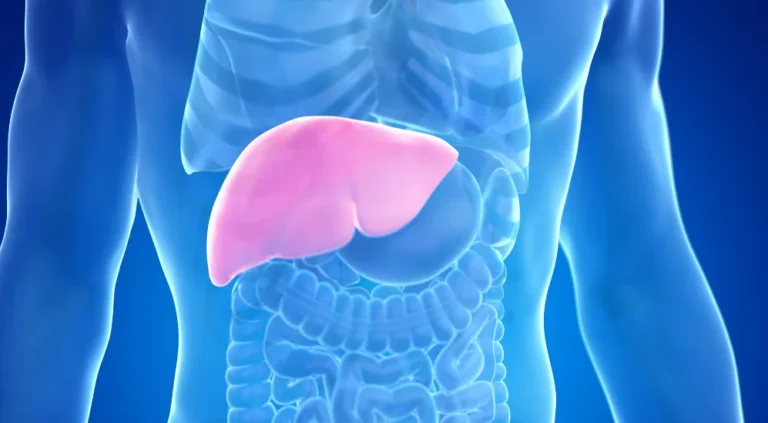
The liver sits at the center of the ferritin story in more ways than one.
Your liver is where most ferritin is made. It is also the organ that takes the most direct hit when iron accumulates over time. And it is the organ that sits at the center of your body’s inflammatory response, filtering signals from the gut, processing metabolic waste, and managing what gets through to the rest of the body.
When the liver is under stress, whether from iron overload, fatty liver disease, or chronic inflammation coming through the gut-liver axis, ferritin often rises as a downstream effect. This means elevated ferritin and liver dysfunction tend to reinforce each other. Iron stresses the liver. A stressed liver handles iron less efficiently. Inflammation drives ferritin up. Higher ferritin reflects more inflammation. The cycle continues until something interrupts it.
This is why gut health is actually part of the elevated ferritin conversation. Supporting the gut, reducing inflammation, and giving the liver what it needs to function well are often central parts of addressing elevated ferritin when inflammation is the primary driver.
A single ferritin number without context is not enough to understand what is happening in your body. Proper evaluation of elevated ferritin typically involves looking at several related markers together.
These typically include:
At Health for Life Naturopathic Medicine, we evaluate ferritin within the full context of your health picture. That means looking at patterns across these markers rather than reacting to a single number, and considering your symptoms, health history, and lifestyle alongside the lab data. If you have already received comprehensive lab results and want help understanding what they mean together, our functional lab interpretation service can help you make sense of the full picture.
Elevated ferritin does not automatically mean you have too much iron. As discussed, inflammation alone can drive ferritin up without any true iron excess. Restricting iron from your diet or avoiding iron-rich foods without a proper evaluation is not an appropriate response to a high ferritin result and may actually create a deficiency in people who do not have iron overload.
Elevated ferritin is also not always a sign of a serious or life-threatening condition. In many cases the elevation is modest, tied to manageable inflammation or metabolic imbalance, and responds well to targeted lifestyle and clinical support. The goal of investigating elevated ferritin is not to find something catastrophic. It is to understand what your body is trying to communicate so you can respond appropriately.
At Health for Life Naturopathic Medicine in Scottsdale, elevated ferritin is a starting point for a conversation, not a number to recheck in six months and hope improves on its own.
Our naturopathic doctors begin with a thorough review of your health history, symptoms, and any previous lab work. From there, we order a comprehensive panel that looks at iron markers, liver function, inflammation, and metabolic health together so we can understand the full picture rather than reacting to a single data point.
Based on those findings, care plans are personalized to address the root cause of the elevation. If iron overload is driving the elevation, that points in one direction. If inflammation or gut dysfunction is driving it, that points somewhere different. The plan is always specific to you, not pulled from a template.
We also recognize that ferritin patterns differ between individuals based on age, sex, and hormonal status. What is concerning in a 35-year-old man may be interpreted differently in a postmenopausal woman, and those distinctions matter in how we evaluate and respond to the finding.
If you have been told your ferritin is elevated and are not sure what to do next, our team in Scottsdale can help you find out what is actually driving it and build a plan around that answer. Schedule a consultation or lab review with us today.
Elevated ferritin does not always cause obvious symptoms, especially early on. When symptoms do appear, they often include fatigue, joint pain, brain fog, abdominal discomfort, and blood sugar irregularities. Because these symptoms overlap with many other conditions, proper lab evaluation is the most reliable way to understand what is happening.
Elevated ferritin can be caused by iron overload or hemochromatosis, chronic inflammation, liver disease, metabolic dysfunction including insulin resistance, and in some cases certain medications or underlying conditions. Because ferritin rises in response to inflammation as well as excess iron, identifying the specific driver requires a thorough clinical evaluation rather than a simple dietary change.
Persistently elevated ferritin can be dangerous when left uninvestigated, particularly if iron overload is the underlying cause. Excess iron accumulates in organs over time and can contribute to liver damage, joint problems, heart irregularities, and metabolic dysfunction. When inflammation is the driver, elevated ferritin reflects ongoing systemic stress that also warrants attention. Early investigation leads to better outcomes in both cases.
Yes. In many cases, elevated ferritin can improve when the underlying cause is properly identified and addressed. This may involve lifestyle changes, dietary adjustments, gut repair, inflammation support, or in cases of true iron overload, therapeutic phlebotomy. The right approach depends entirely on what is driving the elevation.
Iron is a mineral your body uses for essential functions, including oxygen transport. Ferritin is the protein that stores iron in your cells. A high ferritin level does not always mean high iron. Ferritin also rises in response to inflammation, liver stress, and metabolic dysfunction, which is why both ferritin and iron markers need to be evaluated together for an accurate picture.
If your bloodwork has shown elevated ferritin, it is worth discussing with a provider who can evaluate the finding in context rather than in isolation. This is especially true if you are also experiencing symptoms like fatigue, joint pain, or abdominal discomfort, or if you have other abnormal markers on your panel such as elevated liver enzymes or blood sugar irregularities.
You do not have to figure this out alone. At Health for Life Naturopathic Medicine in Scottsdale, our naturopathic doctors take time to understand your full health picture, investigate the root causes behind elevated ferritin, and create personalized care plans that go beyond watching a number on a lab report.
If you are ready for real answers and a plan built around you, let’s get to the root of it together.
Start your journey— Become a Patient today.
👉 Book your appointment here
👉 Or call us directly at 602-368-9211
Better health starts with understanding what your labs are actually telling you. Let’s build a plan that supports your body from the inside out.
Disclaimer: The information in this blog is for educational purposes only and is not a substitute for medical advice, diagnosis, or treatment. Elevated ferritin findings are assessed on an individual basis by a licensed naturopathic doctor at Health for Life Naturopathic Medicine. Always consult with your provider before making changes to your diet, supplements, or treatment plan based on lab results.
Gastrointestinal Health

Metabolic Health

Regenerative Medicine