
Liver
5 Natural Ways to Lower Liver Enzymes and Support Detox

Liver

Bottom Line: Elevated liver enzymes often signal that the liver is under stress from inflammation, metabolic imbalance, toxin exposure, or fatty liver disease, and many people wonder how to lower liver enzymes naturally.
At Health For Life Naturopathic Medicine in Scottsdale, we help patients identify the root causes behind abnormal liver markers and support liver health through nutrition, gut repair, metabolic balance, and personalized care.
The most effective way to lower liver enzymes is to address the underlying stress on the liver. Common strategies include improving blood sugar balance, reducing processed foods, supporting digestion and gut health, reducing toxin exposure, and improving bile flow. Healthy bile flow helps the body remove certain toxins, cholesterol, and waste products through the digestive system. As inflammation and metabolic stress decrease, enzymes such as ALT (alanine aminotransferase) and AST (aspartate aminotransferase) often improve naturally.
If you’ve recently had bloodwork showing elevated liver enzymes, you may be wondering what it means and how to lower them safely and naturally. Liver enzymes, such as ALT and AST, are proteins found inside liver cells. When the liver becomes irritated or inflamed, these enzymes can leak into the bloodstream, which is why they appear elevated on blood tests. While mildly elevated levels are relatively common, persistent elevations can indicate that the liver is under stress.
Many people assume alcohol is the primary cause of abnormal liver enzymes. However, one of the most common drivers today is non-alcoholic fatty liver disease, which is closely tied to metabolic health, inflammation, and diet.
At Health For Life Naturopathic Medicine, we take a root-cause approach to liver health. Instead of focusing only on lab numbers, we look at the broader picture, digestion, metabolism, toxin exposure, and gut health.
Before exploring natural ways to lower liver enzymes, it helps to understand how the liver works.
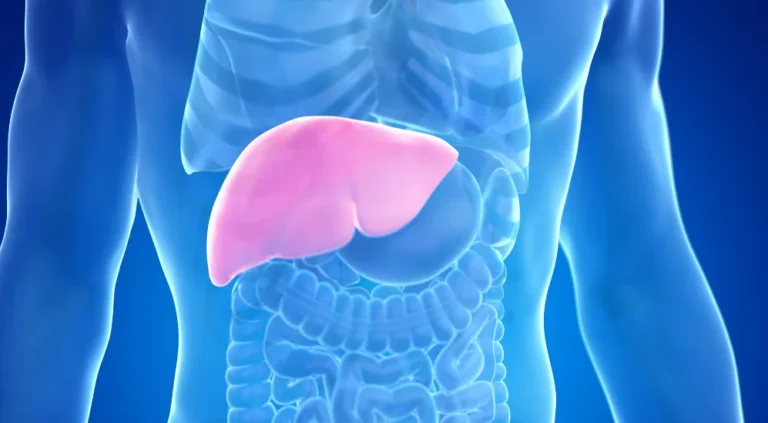
The liver is one of the hardest-working organs in the body, responsible for more than 500 essential metabolic functions that help maintain overall health.
Some of the liver’s most important roles include:
The liver also plays a central role in the body’s natural detoxification system, converting harmful substances into compounds that can be safely eliminated through bile or urine. Because of this constant workload, the liver is particularly sensitive to inflammation, metabolic imbalance, and toxin exposure.
When the liver becomes inflamed or overloaded, liver enzymes may rise as a signal that the organ needs support. Understanding how the liver functions is an important first step toward improving liver health and restoring normal enzyme levels. As stress on the liver increases, the body may also begin to show subtle signs that something is out of balance.
Many people with liver issues, especially fatty liver, experience few noticeable symptoms in the early stages. In fact, according to an American Heart Association Scientific Statement, about 1 in 4 adults worldwide has an abnormal build-up of fat in the liver, known as non-alcoholic fatty liver disease (NAFLD). Over time, this condition can contribute to liver damage and other serious health concerns if left unaddressed.
When symptoms do appear, they are often subtle and easy to overlook. Signs that your liver may be under stress can include:
In some cases, sluggish bile flow may also contribute to digestive symptoms such as bloating after fatty meals or nausea after rich foods. Fortunately, many of the factors that contribute to elevated liver enzymes are closely tied to lifestyle and metabolic health, meaning they can often improve with the right support.
Improving liver enzyme levels typically involves addressing the underlying stressors affecting the liver. Here are five evidence-based strategies that may help support liver health.
One of the most common drivers of elevated liver enzymes is metabolic stress, particularly insulin resistance. High sugar intake, refined carbohydrates, and sedentary lifestyles can contribute to fat accumulation in the liver.
Supporting metabolic health often involves balancing carbohydrate intake, focusing on whole foods, increasing physical activity, and maintaining a healthy weight. When blood sugar stabilizes, liver inflammation often improves as well.
Highly processed foods can increase liver stress by promoting inflammation and metabolic dysfunction. Many of these foods contain refined sugars, industrial oils, preservatives, additives, and highly refined carbohydrates that can contribute to metabolic imbalance. Focusing on whole, minimally processed foods can help reduce the burden on the liver while supporting overall metabolic health.
The liver and digestive system are closely connected through what is known as the gut–liver axis. When gut imbalances occur, such as dysbiosis or intestinal inflammation, bacterial byproducts can travel to the liver through the bloodstream and contribute to liver inflammation. Supporting gut health often involves improving dietary fiber intake, addressing digestive imbalances, and optimizing nutrient absorption. At Health For Life Naturopathic Medicine, digestive testing and personalized nutrition strategies are often incorporated into liver health care plans.
Bile plays an important role in both digestion and detoxification. When bile flow slows, toxins and cholesterol may accumulate more easily in the body. Supporting healthy bile flow often includes eating balanced meals that contain healthy fats, maintaining proper hydration, and supporting overall digestive function. People without a gallbladder can still produce bile, but it flows continuously rather than being stored and released during meals. In these cases, adjusting meal composition and supporting digestion can help improve fat digestion and overall comfort after eating.
The liver must process a wide range of substances every day, including alcohol, medications, environmental chemicals, pesticides, and pollutants. When the body is exposed to higher levels of toxins, the liver must work harder to process and eliminate them. Reducing unnecessary exposures can help decrease liver workload and support healthier enzyme levels. Lifestyle adjustments such as improving indoor air quality, choosing whole foods, and minimizing excessive alcohol intake can all help lower the body’s overall toxic burden.
Many detox programs promise to “cleanse” the liver quickly, but the science of detoxification is far more complex than most marketing claims suggest.
Detox Myth: If your liver enzymes are elevated, you just need a detox cleanse
Reality: Elevated liver enzymes usually indicate underlying stress on the liver such as metabolic dysfunction, fatty liver, medication effects, or inflammation. Addressing the root cause is far more effective than short-term detox programs.
Detox Myth: You need supplements or detox kits to cleanse the liver
Reality: The body already has built-in detoxification systems involving the liver, kidneys, digestive system, and lymphatic circulation. In some cases, physicians may recommend targeted supplements, but these should always be personalized and medically guided.
Detox Myth: Juice cleanses detox the liver
Reality: Your liver detoxifies continuously through natural metabolic pathways. It requires adequate nutrients, protein, and balanced metabolism to function properly. Extreme juice cleanses or fasting may actually deprive the body of nutrients needed for detoxification.
Detox Myth: Lemon water detoxes the liver
Reality: Hydration supports many bodily functions, including digestion and circulation, but no single drink can detoxify the liver. The liver performs detoxification through enzyme-driven chemical reactions that rely on proper nutrition and metabolic balance.
At Health For Life Naturopathic Medicine in Scottsdale, liver health is evaluated in the context of the entire body rather than focusing on lab values alone. Our naturopathic doctors assess factors such as metabolic health markers, digestive function, toxin exposure, inflammatory patterns, and overall nutritional status to better understand what may be contributing to elevated liver enzymes.
Based on these findings, care plans are tailored to each patient’s unique needs and may include nutrition and lifestyle guidance, gut repair strategies, IV nutrient therapy, detox support, and peptide therapy to support tissue repair and inflammation balance. Each treatment plan is personalized according to the patient’s health history, symptoms, and laboratory results.
If liver enzymes remain elevated over time, it’s important to investigate the underlying cause rather than ignoring the numbers on a lab report. Working with a healthcare provider can help identify contributing factors such as fatty liver disease, metabolic dysfunction, digestive imbalances, or chronic inflammation. When these root causes are properly addressed, many people are able to improve both their liver markers and their overall health.
If you’ve been told your liver enzymes are elevated, it’s worth exploring what may be driving the change. Our team in Scottsdale can help you investigate the root cause and create a personalized plan for improving liver health. At Health For Life Naturopathic Medicine, we work with patients to understand the bigger picture, digestive health, metabolic balance, and inflammation, so care plans address the root causes rather than just the symptoms.
If you’ve been told your liver enzymes are elevated and want to understand why, our team in Scottsdale can help you investigate the root cause and create a personalized plan for improving liver health.Become a patient today and schedule your consultation with one of our naturopathic doctors.
Elevated liver enzymes often indicate that the liver is under stress. Common causes include fatty liver disease, insulin resistance, alcohol use, medication side effects, inflammation, or digestive imbalances that affect the gut–liver connection.
Lowering liver enzymes typically involves improving metabolic health, supporting digestion, reducing processed foods, and addressing inflammation or toxin exposure.
Yes. Diet plays a major role in liver health. Reducing processed foods, excess sugar, and refined carbohydrates while focusing on whole foods, balanced meals, and healthy fats can help support liver function and improve enzyme levels over time.
Yes. In many cases, elevated liver enzymes can return to normal when the underlying cause, such as fatty liver, inflammation, or metabolic imbalance, is addressed.
Whole foods rich in fiber, antioxidants, and healthy fats can support liver function. A balanced diet that emphasizes vegetables, lean protein, and minimally processed foods helps reduce metabolic stress on the liver.
Early liver stress often has few symptoms, but some people may experience fatigue, brain fog, bloating, digestive discomfort, or difficulty losing weight. In many cases, elevated liver enzymes are first discovered through routine blood tests.
You don’t have to navigate liver health concerns on your own. At Health for Life Naturopathic Medicine in Scottsdale, our doctors take the time to review your lab results, identify underlying factors such as fatty liver, metabolic imbalance, inflammation, or digestive dysfunction, and develop a personalized care plan that supports long-term liver health.
If you’re ready to understand what your liver enzymes mean and how to support your liver naturally, let’s uncover the root cause together.
Start your journey— Become a Patient today.
Book your appointment here
Or call us directly at 602-368-9211
Better health starts with understanding how your body works. Let’s create a plan that supports your liver and overall metabolic health.
Disclaimer: The information in this blog is for educational purposes only and is not a substitute for medical advice, diagnosis, or treatment. All recommendations related to liver health, elevated liver enzymes, or metabolic conditions are based on individual evaluation by a licensed healthcare provider. Health for Life Naturopathic Medicine does not offer one-size-fits-all treatment plans, and care is provided only under appropriate clinical supervision and based on medical necessity. Always consult with your healthcare provider before beginning any new treatment or wellness program.
Gastrointestinal Health

Metabolic Health

Regenerative Medicine